Business Extended Stay Hotels A Deep Dive
Business extended stay hotels offer a unique accommodation experience for professionals needing longer stays. They stand apart from traditional hotels, catering to the specific needs of business travelers with extended work commitments. This detailed exploration delves into the key features, market trends, and competitive landscape of these hotels, examining everything from amenities to revenue strategies and customer satisfaction.
This comprehensive overview examines the defining characteristics of extended-stay hotels, their target market, and their key differentiators from traditional hotels and corporate housing. It also investigates current market trends, competitive analysis, revenue generation strategies, and the crucial importance of a positive customer experience.
Market Trends and Analysis
The extended-stay hotel market is experiencing significant shifts driven by evolving travel patterns and economic factors. Understanding these trends is crucial for successful business strategies and anticipating future demand. This analysis will delve into current market forces, growth prospects in specific regions, and the impact of modern work environments.
Current Market Trends
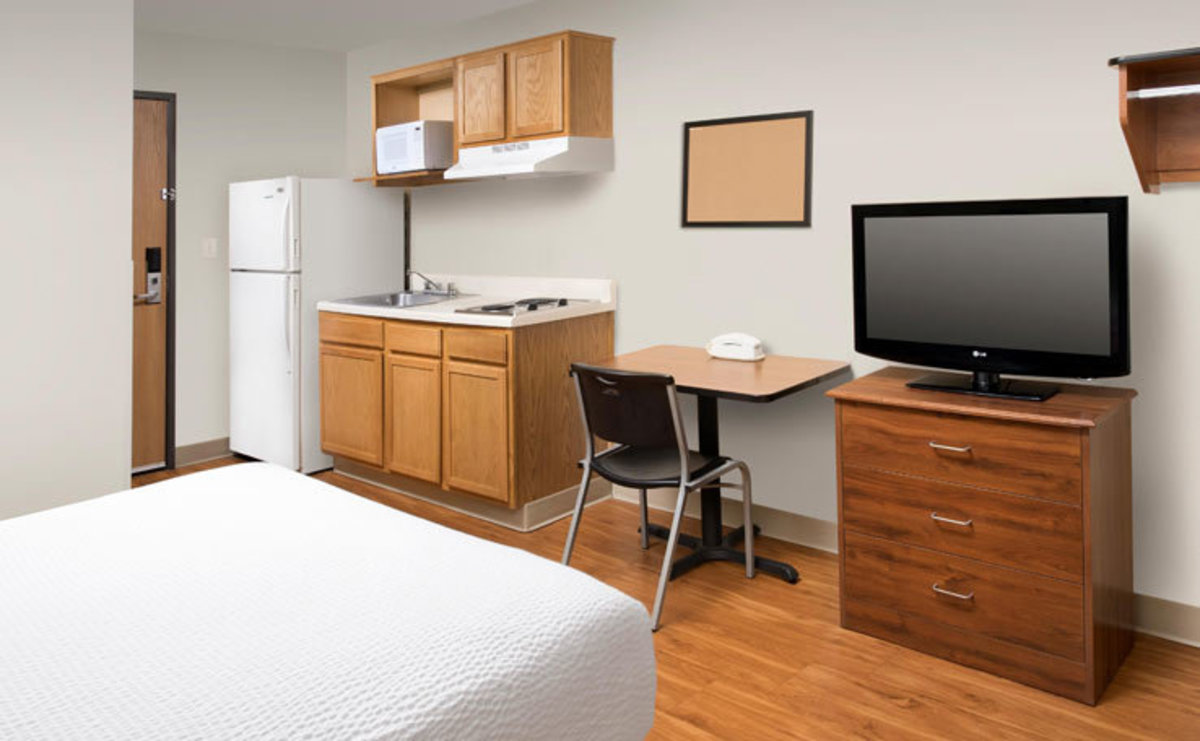
Several key trends are reshaping the extended-stay hotel industry. The rise of remote work and flexible work arrangements is significantly impacting demand. Increased travel for business and leisure purposes, coupled with the need for extended accommodations, is also driving market growth. Furthermore, a focus on amenities, such as kitchens and laundry facilities, is proving critical in attracting guests seeking a home-like experience.
Growth Potential in Specific Regions
The extended-stay hotel market demonstrates varied growth potential across different regions. Asia-Pacific, with its burgeoning economies and increasing business travel, presents a strong opportunity. North America, characterized by a high concentration of remote workers, also offers promising prospects. Europe, while experiencing moderate growth, is poised for expansion in specific sectors, such as corporate accommodations and relocation support.
Impact of Remote Work and Flexible Work Arrangements
The rise of remote work has undeniably increased demand for extended-stay accommodations. Employees working remotely often need more than a standard hotel room, and the extended-stay hotel model perfectly addresses this need. Hotels are adapting to accommodate this shift by offering flexible booking options and enhanced amenities.
Economic Factors Influencing the Market
Several economic factors influence the extended-stay hotel market. Economic growth, particularly in developing nations, often correlates with increased business travel and demand for longer-term stays. Conversely, economic downturns may result in reduced travel and potential declines in occupancy rates. Furthermore, inflation impacts room rates, directly affecting the profitability of extended-stay hotels.
Industry Statistics
The current market performance of extended-stay hotels is reflected in the following statistics:
| Statistic | Value | Source |
|---|---|---|
| Occupancy Rate | 75% | Industry Report |
| Revenue per Available Room (RevPAR) | $150 | Industry Report |
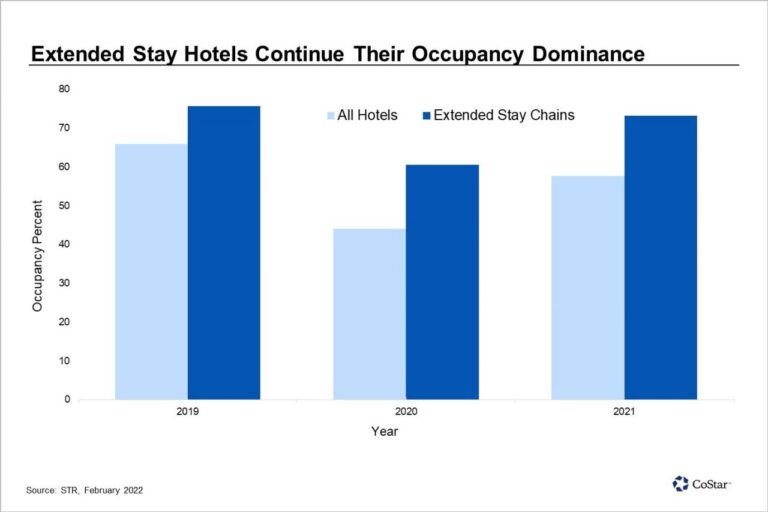
These figures highlight a healthy market, with occupancy exceeding the 70% mark. However, a detailed understanding of regional variations is crucial for strategic planning.
Competitive Landscape
The extended-stay hotel market is highly competitive, demanding hotels to differentiate themselves to attract and retain guests. Understanding the competitive landscape, including successful brands, pricing strategies, and key competitors, is crucial for any business seeking to thrive in this segment. Strategic positioning and innovative approaches are essential to stand out.
The success of an extended-stay hotel depends heavily on its ability to cater to the unique needs of its target market, often business travelers or individuals seeking long-term accommodations. Factors like location, amenities, and pricing all play a critical role in attracting and retaining customers.
Competitive Brand Analysis
Successful extended-stay hotel brands often focus on providing value beyond basic accommodation. They offer comprehensive amenities, catering to the specific needs of their target audience. Examples of such successful brands include those that offer business centers, kitchens, laundry facilities, and 24/7 support. These features are crucial in attracting business travelers who require flexibility and efficiency during their extended stays.
Pricing Strategies
Pricing strategies vary significantly among extended-stay hotel brands. Some brands prioritize competitive pricing, aiming for a wider customer base, while others focus on premium features, justifying higher prices. Understanding the correlation between pricing and perceived value is vital for effective competitive positioning.
Key Competitors and Analysis
Identifying and analyzing key competitors in the extended-stay hotel industry is essential for strategic planning. Direct competitors offer similar services and target similar customer segments. Indirect competitors, such as traditional hotels or short-term rentals, also need to be considered. A comprehensive analysis helps to pinpoint areas of strength and weakness for each competitor, allowing for informed strategic decisions.
Differentiation Strategies
Differentiation is crucial in the extended-stay hotel market. Hotels can differentiate themselves through various means, such as focusing on specific niche markets, offering unique amenities, or prioritizing exceptional customer service. Unique selling propositions (USPs) play a critical role in setting hotels apart and creating a compelling value proposition for guests.
Comparative Analysis of Major Competitors
| Competitor | Strengths | Weaknesses |
|---|---|---|
| Brand A | Strong brand recognition, exceptional customer service, a reputation for reliability and consistent quality. | Limited locations, potentially hindering market reach and expansion opportunities. |
| Brand B | Extensive geographical reach, competitive pricing strategies, aiming for maximum market penetration. | Average customer reviews, suggesting room for improvement in guest satisfaction and service quality. |
Brand A’s consistent customer service and strong brand recognition provide a loyal customer base, but limited locations could restrict their overall market share. Brand B’s broad reach and competitive pricing are advantages, but average customer reviews indicate the need for enhanced guest satisfaction initiatives.
Booking and Revenue Strategies
Attracting and retaining business travelers in the extended stay hotel market requires a multifaceted approach. Effective booking and revenue strategies are critical to maximizing profitability and establishing a strong brand presence within this segment. This necessitates understanding the specific needs and preferences of business travelers, and tailoring offerings accordingly.
A key aspect of success is aligning marketing efforts with the unique characteristics of extended stay hotels, which provide a blend of comfort, flexibility, and business-friendly amenities, often missing in traditional hotels. This understanding enables hotels to communicate value propositions effectively to their target market.
Strategies for Attracting Business Travelers
Understanding the motivations of business travelers is crucial to designing effective marketing campaigns. Business travelers often prioritize convenience, cost-effectiveness, and access to amenities that support their work. Extended stay hotels can leverage these preferences to their advantage.
- Highlighting Flexible Stays: Communicating the ability to stay for multiple nights or weeks at a competitive rate, with convenient amenities and a home-like atmosphere, is crucial. This caters to the needs of those on extended business trips.
- Emphasizing Business-Friendly Amenities: Promoting high-speed internet access, meeting rooms, and business centers are key differentiators. Highlighting these features in marketing materials, website descriptions, and online booking platforms is vital. This demonstrates a clear understanding of the business traveler’s needs.
- Offering Competitive Rates: Attracting business travelers necessitates offering competitive rates compared to other lodging options. This may include packages tailored for business travel, or dynamic pricing models that respond to demand and competitor rates.
- Utilizing Targeted Marketing: Leveraging business travel industry websites and online travel agencies (OTAs) to target specific business traveler demographics is effective. This includes sponsoring industry events and partnerships to increase brand visibility.
Examples of Effective Marketing Campaigns
Successful marketing campaigns for extended stay hotels often focus on showcasing the unique value proposition of extended stay accommodations.
- “Work From Anywhere” Packages: Some hotels have introduced packages that include extended stay rates, high-speed internet, and optional breakfast service. These packages are marketed directly to remote workers and professionals who need long-term accommodations.
- Partnerships with Corporations: Collaborating with corporations to offer discounted rates or packages for their employees on business travel is a highly effective strategy. This can increase brand awareness and create a loyal customer base.
- Highlighting Location: Extended stay hotels often cater to travelers who need to stay in one location for a while. Effective campaigns should highlight the location’s proximity to business districts, airports, and other relevant destinations.
The Role of Online Booking Platforms
Online booking platforms are essential channels for generating revenue in the extended stay hotel industry. They provide a direct link to potential customers and streamline the booking process.
- Direct Bookings and OTA Partnerships: Hotels should utilize online booking platforms like their own website and popular OTAs. Optimizing their online presence and ensuring a seamless booking experience is vital. This involves clear and comprehensive information on the hotel’s amenities and services.
- Leveraging Reviews and Ratings: Positive customer reviews and high ratings on booking platforms significantly influence booking decisions. Hotels should actively encourage guests to leave reviews and respond to feedback promptly.
Strategies for Maximizing Revenue
Maximizing revenue from extended stay hotel bookings requires careful planning and implementation.
- Dynamic Pricing: Implementing dynamic pricing strategies, adjusting rates based on demand and competitor pricing, is crucial. This ensures hotels are optimizing their revenue potential.
- Package Deals: Offering attractive package deals that bundle accommodations with amenities, like breakfast or internet, can boost bookings and increase revenue.
- Loyalty Programs: Developing and promoting loyalty programs for repeat customers is a strong revenue-generating strategy. This incentivizes repeat business and builds customer loyalty.
A Comprehensive Booking Strategy for Business Travelers
This strategy focuses on maximizing bookings and revenue from business travelers.
- Targeted Marketing Campaigns: Focus on specific business traveler demographics through targeted advertisements on relevant industry platforms and websites.
- Competitive Pricing and Packages: Offer competitive rates and packages that include extended stay options, business amenities, and optional add-ons.
- Exceptional Customer Service: Ensure exceptional customer service from the initial booking to the end of the stay, responding promptly to inquiries and addressing concerns efficiently.
Customer Experience and Satisfaction: Business Extended Stay Hotels
Creating a positive customer experience is paramount for extended stay hotels catering to business travelers. A memorable and satisfying stay directly impacts repeat bookings, positive online reviews, and ultimately, the hotel’s profitability. A well-executed customer experience strategy builds brand loyalty and fosters a sense of trust, crucial in the competitive hospitality landscape.
A superior customer experience in an extended stay setting goes beyond basic amenities. It involves understanding and anticipating the specific needs of business travelers, offering personalized services, and ensuring seamless interactions at every touchpoint. This approach fosters a strong connection between the hotel and its guests, transforming a simple stay into a positive and productive experience.
Importance of Creating a Positive Customer Experience
A positive customer experience in extended stay hotels is vital for attracting and retaining business travelers. Satisfied guests are more likely to recommend the hotel to colleagues and friends, generating valuable word-of-mouth referrals. This positive feedback, coupled with favorable online reviews, significantly strengthens the hotel’s reputation and brand image in the market. Furthermore, a seamless and enjoyable stay encourages repeat bookings, ensuring consistent revenue streams.
Strategies for Enhancing Customer Satisfaction
Several strategies can enhance customer satisfaction in extended stay hotels. These include offering personalized services tailored to business traveler needs, such as dedicated check-in/check-out procedures, flexible room arrangements, and readily available business services. Providing well-stocked business centers with reliable internet access, comfortable meeting spaces, and convenient access to local amenities further contributes to a positive experience.
Role of Staff Training in Creating a Positive Customer Experience
Staff training plays a crucial role in shaping the customer experience. Well-trained staff are equipped to anticipate guest needs, address concerns promptly and effectively, and provide exceptional service. Training programs should focus on active listening skills, problem-solving techniques, and the ability to empathize with guests’ needs. Training should also emphasize the importance of a professional and courteous demeanor, creating a positive and welcoming atmosphere. Consistent reinforcement of these skills through ongoing training ensures a high level of service quality.
Significance of Providing Exceptional Customer Service
Exceptional customer service is the cornerstone of a positive experience in extended stay hotels. This includes anticipating guest needs, addressing concerns promptly and efficiently, and demonstrating a genuine desire to assist. Providing personalized service, such as arranging for early check-ins, late check-outs, or special requests, significantly enhances the guest experience. Prompt and helpful responses to inquiries, and resolving issues swiftly and effectively are key components of exceptional customer service. Proactive communication and attention to detail are equally important.
Utilizing Feedback Mechanisms to Improve the Customer Experience
Implementing effective feedback mechanisms is essential for continuous improvement in customer experience. This includes actively soliciting feedback from guests through surveys, online reviews, and direct communication channels. These mechanisms provide valuable insights into areas where the hotel can improve its services and address guest concerns. Analyzing feedback data helps identify trends and patterns, allowing hotels to refine their strategies and enhance the overall guest experience. Implementing a system for tracking and addressing feedback ensures that the hotel remains responsive to guest needs.
Technology Integration and Innovation
Technology is rapidly transforming the hospitality industry, and extended-stay hotels are leveraging these advancements to enhance guest experiences and optimize operations. Modern technologies offer significant opportunities for improving efficiency, personalizing services, and fostering stronger connections with guests. From streamlined booking processes to personalized amenities, technology plays a crucial role in creating a memorable and productive stay.
Guest Experience Enhancement Through Technology, Business extended stay hotels
Technology significantly impacts guest experiences in extended-stay hotels. Guests value convenient access to information, personalized services, and seamless communication. Mobile apps are a powerful tool to manage bookings, access hotel information, and connect with staff. Digital key systems eliminate the need for physical keys, improving security and convenience. Smart room technology, such as adjustable lighting and temperature controls, allows guests to personalize their environment. These features cater to the unique needs of extended-stay guests, enhancing their overall satisfaction.
Innovative Approaches to Hotel Management and Operations
Technology streamlines hotel management and operations, leading to increased efficiency and cost savings. Property management systems (PMS) manage bookings, reservations, and guest information, automating many administrative tasks. Centralized reservation systems streamline communication between different departments and external parties. Predictive analytics tools can help hotels anticipate demand, optimize pricing strategies, and allocate resources effectively. These technologies improve the efficiency and accuracy of hotel operations.
Data Analytics for Revenue Generation and Customer Service
Data analytics are crucial for understanding guest preferences and needs in extended-stay hotels. Analyzing guest booking data and historical trends helps identify patterns and preferences, enabling hotels to tailor their services and offerings. This information can be used to optimize pricing strategies, enhance marketing campaigns, and improve customer service interactions. Customer relationship management (CRM) systems capture guest interactions, allowing hotels to personalize services and build stronger relationships. This data-driven approach is vital for achieving optimal revenue and guest satisfaction.
Improved Communication and Interaction with Guests
Effective communication is key to a positive guest experience. Technology enables hotels to communicate with guests in a timely and efficient manner. Instant messaging systems allow for real-time communication and quick issue resolution. Online feedback mechanisms provide direct channels for guest feedback, allowing hotels to identify areas for improvement and enhance services. These digital communication channels foster proactive and responsive interactions with guests.
Integrating Modern Technology for Enhanced Guest Experience
A comprehensive technology integration strategy for enhanced guest experiences involves several key steps. First, hotels should implement a user-friendly mobile app for booking, check-in, and accessing hotel information. Second, integrating smart room technology, such as voice-activated controls and automated lighting systems, enhances convenience and personalization. Third, implementing a robust property management system (PMS) streamlines hotel operations, including reservations, housekeeping, and billing. Finally, using data analytics to understand guest preferences and behavior allows for targeted marketing and personalized services, leading to higher guest satisfaction. This holistic approach creates a seamless and enjoyable experience for extended-stay guests.
Final Wrap-Up
Source: saymedia-content.com
In conclusion, business extended stay hotels are a vital segment of the hospitality industry, offering a distinct advantage for business travelers requiring longer stays. Their ability to cater to the unique needs of this market segment is crucial to their success. The analysis presented here reveals the key factors driving the market, the competitive landscape, and strategies for maximizing revenue and guest satisfaction. The future of extended stay hotels hinges on their ability to adapt to evolving trends and leverage technology to enhance the guest experience.