Extended Stay Business A Comprehensive Guide
Extended stay business accommodations are gaining significant traction, catering to the evolving needs of modern business travelers. These properties offer a unique blend of amenities and pricing, often exceeding traditional hotels in value for long-term stays. From kitchenettes for meal preparation to laundry facilities for convenience, extended stay businesses provide a comfortable and productive environment for extended work periods. The target market encompasses professionals in various industries, each with specific needs and preferences.
This comprehensive guide explores the intricacies of extended stay businesses, delving into their key features, target market, and industry trends. We’ll examine how these accommodations cater to the unique demands of business travelers and discuss strategies for maximizing their benefits for both individuals and businesses.
Defining Extended Stay Business
Extended stay accommodations cater to individuals and families seeking longer-term lodging, typically exceeding a week. This contrasts sharply with traditional hotel stays, which are often focused on shorter stays. This specialized market offers unique benefits and amenities tailored to extended stays, fostering a more comfortable and home-like experience.
Extended stay businesses are distinct from other lodging options by providing accommodations specifically designed for extended stays. They prioritize providing a living environment rather than just a place to sleep. Key features like fully equipped kitchenettes, laundry facilities, and ample living space are crucial differentiators from budget hotels or luxury hotels, which might have limited or no such amenities.
Extended Stay Business Accommodation Definition
Extended stay accommodations are designed for guests requiring a longer stay than typical hotel guests. This means accommodations are tailored for a minimum of a week or longer, often exceeding a month. These properties offer a balance between hotel services and apartment-style living, providing amenities such as fully equipped kitchens, laundry facilities, and ample living space.
Differentiation from Other Hotel Types
Extended stay accommodations are distinguished from budget hotels by the inclusion of amenities like fully equipped kitchens and laundry facilities, fostering a more home-like experience. They differ from luxury hotels by offering a balance between affordability and practicality, catering to the needs of longer-term guests. Luxury hotels are typically geared toward short-term stays and prioritize a higher level of luxury and service, which is often not as prominent in extended stay accommodations.
Key Characteristics of Extended Stay Business Properties
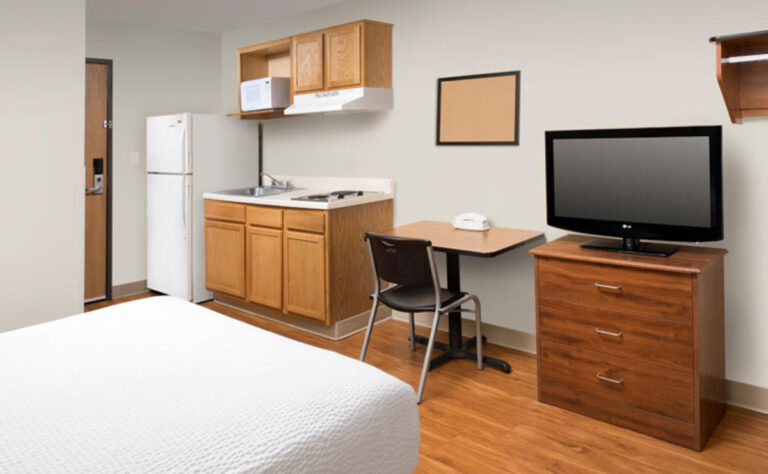
Key characteristics include ample living space, often exceeding standard hotel rooms. These properties often include fully equipped kitchenettes, enabling guests to prepare meals, which is a significant advantage over traditional hotel rooms. Laundry facilities are another common feature, eliminating the need for guests to rely on external services. The design and layout are frequently more spacious, including living areas, bedrooms, and kitchens.
Common Amenities and Services
Common amenities include fully equipped kitchenettes, allowing guests to prepare meals and save money on dining out. Laundry facilities are essential for convenience and reduce reliance on external services. Additionally, some extended stay properties offer amenities like free Wi-Fi, swimming pools, and fitness centers. These amenities contribute to a comfortable and self-sufficient stay, catering to the extended duration of guest stays.
Comparison Table
| Feature | Extended Stay | Hotel | Motel |
|---|---|---|---|
| Length of stay | Primarily 1 week+ | Varies | Typically short-term |
| Amenities | Kitchenettes, laundry | Limited kitchenettes | Minimal amenities |
| Pricing | Typically higher than hotels | Varies | Usually lower |
Target Market and Customer Needs
Extended stay accommodations for business travelers represent a unique segment within the hospitality industry. Understanding the specific needs and preferences of this target market is crucial for success. This understanding allows for the development of services and amenities that directly address these needs, fostering loyalty and positive experiences.
Primary Target Market, Extended stay business
The primary target market for extended stay business accommodations comprises professionals requiring temporary housing during extended work projects, conferences, or training programs. These individuals are often employed in various industries, including but not limited to technology, healthcare, finance, and consulting.
Specific Needs and Preferences
Business travelers in extended stay accommodations prioritize factors beyond the basic necessities of a hotel room. They often seek amenities that enhance productivity and comfort. These include reliable internet access, ergonomic workstations, well-equipped kitchens, and potentially shared spaces for collaboration or informal meetings. Personalization and a sense of home are highly valued, as extended stays necessitate a more home-like environment. Access to laundry facilities and other conveniences, such as dry cleaning services, further improve the experience.
Reasons for Choosing Extended Stay Options
Extended stay options appeal to business travelers for several reasons. Cost-effectiveness, especially when considering longer stays, is often a significant factor. The flexibility and control over their environment that extended stay accommodations provide are also highly valued. The ability to prepare meals, saving on dining costs, and the presence of more comfortable living spaces often outweigh the price difference compared to traditional hotel rooms.
Comparison with Leisure Travelers
While both business and leisure travelers seek comfort and convenience, their priorities differ. Business travelers often prioritize productivity and access to work-related amenities, such as high-speed internet and meeting rooms. Leisure travelers, conversely, often focus on relaxation and entertainment options. Extended stay accommodations provide a middle ground, meeting the needs of both groups.
Common Needs of Extended Stay Guests
Extended stay guests commonly need reliable internet access, well-equipped kitchens, and laundry facilities. A comfortable and ergonomic workspace is also highly desired. Proximity to business centers, restaurants, and other amenities can significantly enhance the experience. Additional services, such as dry cleaning, can further enhance the experience.
Demographics of Extended Stay Business Guests
The following table provides a snapshot of the demographics of extended stay business guests:
| Demographic | Percentage |
|---|---|
| Age (25-34) | 30% |
| Age (35-44) | 25% |
| Industry (Tech) | 15% |
| Industry (Healthcare) | 10% |
Key Features and Benefits
Extended stay accommodations offer a unique blend of comfort and practicality for business travelers and companies alike. These lodgings cater to the specific needs of those requiring extended stays, emphasizing features that enhance productivity and well-being. Understanding these key features and benefits is crucial for businesses considering this type of lodging.
Extended stay hotels are more than just a place to sleep; they’re a valuable investment in employee well-being and company efficiency. The focus on long-term comfort, convenience, and cost-effectiveness makes them an attractive option for numerous business models.
Attractive Features for Business Travelers
Extended stay accommodations stand out with their comprehensive features, designed to provide a home-like environment for extended work periods. These features often include full kitchens or kitchenettes, providing a degree of freedom and control over meals, which significantly impacts employee satisfaction and potentially lowers expenses. Laundry facilities are another frequently appreciated amenity, reducing the burden of laundry services and allowing employees to maintain personal hygiene and a clean work environment.
Benefits for Businesses
Extended stay accommodations offer numerous advantages for companies, impacting both bottom lines and employee morale. The ability to house employees for extended durations reduces the costs associated with frequent travel, hotel stays, and potential relocation. Furthermore, a positive employee experience contributes to higher productivity and reduced turnover, which are valuable long-term assets for any business.
The Advantages of Kitchenettes
The inclusion of a kitchen or kitchenette in extended stay accommodations is a significant advantage. Employees can prepare their own meals, potentially reducing the expenses associated with eating out and potentially increasing their nutritional intake. This also provides a degree of flexibility and convenience, particularly during longer work periods, and can contribute to a more comfortable and home-like environment.
Improving Employee Productivity and Satisfaction
A comfortable and convenient environment is crucial for maintaining employee productivity and satisfaction. Extended stay accommodations with their comprehensive amenities, including kitchenettes and laundry facilities, foster a sense of independence and control over daily routines, which directly contributes to the overall well-being of employees.
Cost-Effectiveness of Extended Stay Accommodations
Extended stay accommodations can be a more cost-effective solution for businesses in specific situations. By providing employees with a home-like environment, companies can reduce the costs associated with frequent travel, meals, and potential relocation. The long-term stay aspect can lead to substantial savings compared to short-term accommodations, especially for extended projects or assignments.
Financial Advantages
A comparison of the financial benefits associated with extended stay accommodations demonstrates their cost-effectiveness in specific situations.
| Feature | Benefit |
|---|---|
| Kitchenettes | Reduced food costs, potentially saving businesses hundreds of dollars per employee per month. |
| Laundry facilities | Reduced laundry expenses and associated staff time, leading to potential cost savings. |
| Long-term stay | Potential cost savings compared to frequent short-term stays, especially for extended projects. |
| Amenities | Enhanced employee morale and productivity, leading to potential increases in overall efficiency and profitability. |
Industry Trends and Innovations
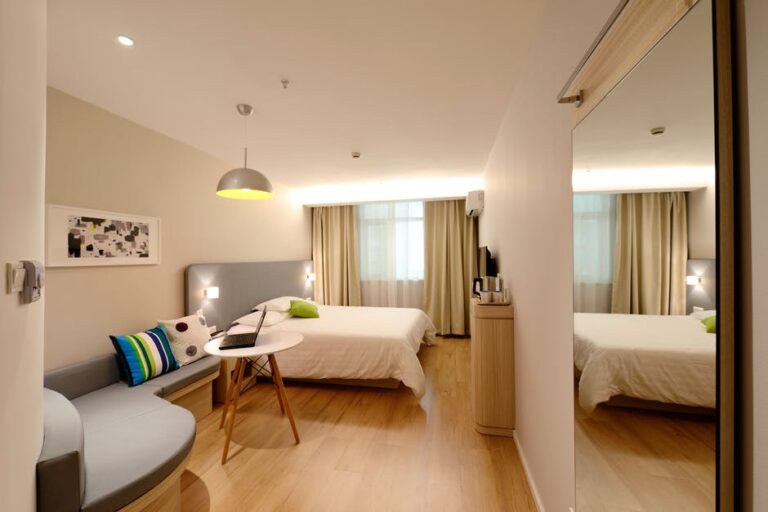
Source: affordablecorporatesuites.net
The extended-stay accommodation industry is experiencing significant transformation driven by evolving business travel patterns and technological advancements. This dynamic environment necessitates a keen understanding of current trends and future projections to remain competitive. Adapting to changing consumer needs and incorporating innovative technologies are crucial for success.
The extended-stay segment is increasingly appealing to a broader range of travelers, including remote workers, relocating families, and business professionals seeking flexibility and affordability. This evolving market necessitates a proactive approach to incorporating industry trends and innovations into business strategies.
Current Trends in Extended Stay
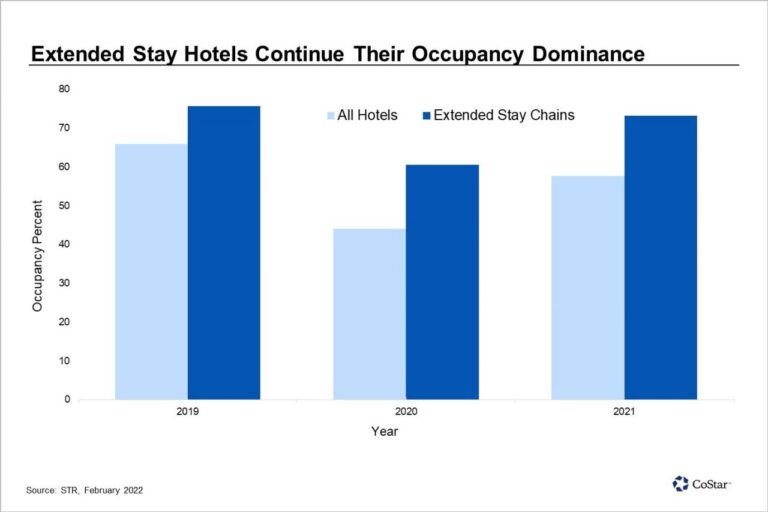
The industry is being reshaped by several key trends. Remote work has dramatically altered the demand for extended-stay accommodations. Companies are increasingly offering flexible work arrangements, leading to a surge in extended stays for employees. This shift is creating a high demand for well-appointed, comfortable, and conveniently located extended-stay options.
Emerging Technologies and Services
Several innovative technologies and services are being integrated into extended-stay businesses to enhance the guest experience. Smart home features, such as automated lighting and temperature controls, are becoming more prevalent, providing a more comfortable and personalized stay. Advanced reservation systems and online check-in/check-out processes streamline guest interactions. Integration of digital concierge services allows guests to access information and services readily. This enhances the overall guest experience and efficiency for the property.
Impact of Business Travel Trends
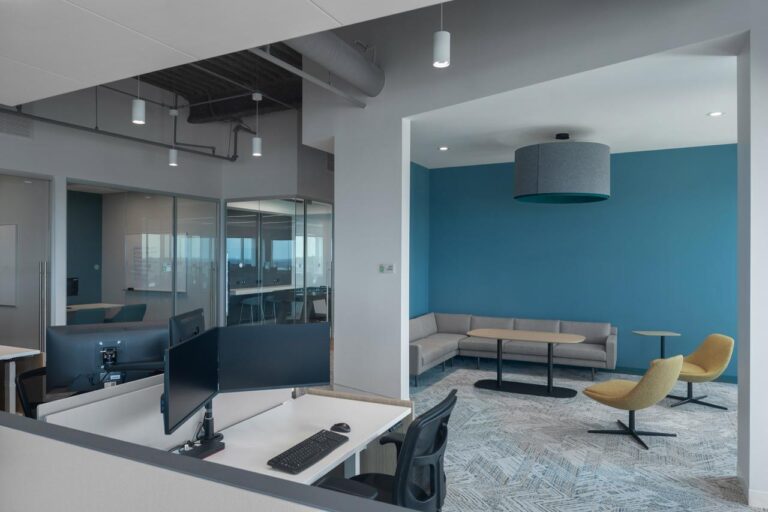
Business travel trends are also impacting extended-stay options. A notable shift is the growing demand for flexible workspaces and collaboration areas within extended-stay accommodations. This is in response to the rise of remote work and the need for spaces suitable for both personal and professional tasks. Furthermore, the increased emphasis on sustainability is driving demand for eco-friendly practices and sustainable amenities within extended-stay properties.
Evolution of Extended Stay Accommodations
Extended-stay accommodations have evolved from basic, temporary housing options to more sophisticated and comprehensive living spaces. Early models focused primarily on providing affordable lodging for extended stays. Now, extended-stay properties are incorporating elements of home-like comfort, such as fully equipped kitchens, laundry facilities, and ample living space. This evolution reflects the changing needs of guests seeking a more convenient and home-like environment during their extended stays.
Adapting to Changing Consumer Needs
Extended-stay providers are actively adapting to changing consumer needs. This involves understanding the preferences of different segments of guests, including business travelers, relocating families, and remote workers. Understanding and catering to these needs is critical for success in this evolving market. For instance, offering flexible rental terms, accommodating diverse dietary requirements, and providing amenities such as high-speed internet and meeting rooms directly addresses the needs of a broader range of guests.
Key Industry Trends and Their Potential Impact
| Trend | Potential Impact |
|---|---|
| Remote work | Increased demand for extended stay accommodations, driving revenue and occupancy rates for extended-stay properties. |
| Technology integration | Enhanced guest experience through streamlined processes, personalized services, and improved property management. |
| Sustainability | Increased focus on eco-friendly practices and sustainable amenities, potentially attracting environmentally conscious guests and enhancing brand image. |
Marketing and Sales Strategies
Effective marketing and sales strategies are crucial for extended stay businesses to attract and retain customers. A well-defined strategy, tailored to the target market and their needs, can significantly impact the success of these establishments. Understanding the intricacies of the target audience, coupled with a robust online presence, is paramount for driving bookings and fostering customer loyalty.
A comprehensive approach encompasses various strategies, from promoting unique offerings to building strong relationships with potential clients. Utilizing multiple marketing channels, coupled with an effective online presence, can maximize the reach and impact of promotional efforts. This approach allows for a more targeted approach, effectively addressing the needs of the specific market segment.
Promoting Extended Stay Businesses
To effectively promote extended stay businesses, a multi-faceted approach is needed. This involves highlighting the unique value proposition, emphasizing the convenience and affordability of extended stays, and showcasing the features and amenities that cater to the specific needs of the target market. Focus on showcasing the comfort and practicality of the accommodations, appealing to those seeking long-term solutions.
Effective Marketing Campaigns
Many extended stay businesses have successfully employed marketing campaigns that focus on specific needs. For example, highlighting the value of extended stays for business travelers, students, or families, and creating targeted offers and packages can be highly effective. Campaigns that emphasize the cost-effectiveness of extended stays compared to hotels are also beneficial. Utilizing social media platforms to showcase testimonials and reviews from satisfied customers can also build trust and credibility.
Creating an Effective Online Presence
An extended stay business needs a robust online presence to attract potential customers. A user-friendly website with clear information about accommodations, amenities, and booking procedures is essential. The website should be optimized for search engines () to ensure visibility in online searches. Utilizing online booking platforms and incorporating customer reviews can enhance the online experience. High-quality images and videos showcasing the property and amenities are vital.
Importance of Online Reviews and Ratings
Online reviews and ratings play a critical role in shaping customer perception and influencing booking decisions. Positive reviews build trust and credibility, while negative reviews can be addressed to improve the customer experience. Active monitoring of online platforms like Google, Yelp, and TripAdvisor is essential for addressing issues promptly and effectively. Encouraging satisfied customers to leave reviews can significantly impact online visibility and attract more bookings.
Building Customer Loyalty
Customer loyalty programs are essential for extended stay businesses to retain customers and encourage repeat bookings. Offering discounts, exclusive deals, or personalized service to loyal customers can create a sense of appreciation and encourage repeat business. Maintaining consistent communication, addressing customer concerns promptly, and collecting feedback can strengthen relationships and foster loyalty. Rewards programs can incentivize repeat bookings and positive reviews.
Marketing Channel Comparison
A comparative analysis of marketing channels provides insights into their respective strengths and weaknesses.
| Channel | Pros | Cons |
|---|---|---|
| Social Media | Large reach, cost-effective (in some cases), ability to target specific demographics | Requires ongoing management, potential for negative feedback, can be time-consuming |
| Organic traffic, long-term benefits, cost-effective | Takes time to build, difficult to measure immediate impact, requires consistent effort | |
| Paid Ads | Targeted reach, measurable results, quick impact | Costs money, requires ongoing budget allocation, effectiveness depends on targeting |
Concluding Remarks
Source: com.ph
In conclusion, extended stay businesses offer a compelling alternative to traditional lodging options for business travelers. Their emphasis on amenities, flexibility, and cost-effectiveness makes them an attractive choice for extended stays. Future trends, like remote work and technological integration, are poised to further elevate the significance of these accommodations. Businesses and individuals alike will benefit from understanding the nuances of extended stay options and utilizing their advantages for optimal outcomes.