Extended Stay Business Travel A Deep Dive
Extended stay business travel is becoming increasingly prevalent, offering a unique alternative to traditional short-term trips. It caters to the needs of professionals requiring extended periods for projects, conferences, or client meetings, often necessitating a different approach to lodging, resources, and travel planning. This comprehensive overview explores the intricacies of extended stay business travel, examining various aspects from accommodation choices to business needs and the impact on company operations.
This exploration delves into the specific considerations for extended stays, highlighting the distinct differences between extended stay and traditional business travel. We’ll explore lodging options, from serviced apartments to specialized extended stay hotels, and the critical business tools and resources required for successful extended stays. Further, we’ll discuss the travel planning process, emphasizing the unique challenges and opportunities associated with extended business trips, and the impact on both individual productivity and corporate operations.
Defining Extended Stay Business Travel
Extended stay business travel represents a significant shift from the traditional, short-term business trip. It involves a prolonged period of work-related activity, often lasting several weeks or even months. This extended duration necessitates a different approach to planning, accommodation, and overall experience.
Extended stay business travel is characterized by a more immersive engagement with the destination, fostering a deeper understanding of the business environment and local culture. This extended presence enables individuals to build stronger relationships with clients, partners, and colleagues, potentially leading to more substantial and lasting outcomes.
Characteristics of Extended Stay Business Travel
Extended stay business trips differ significantly from short-term visits. They demand a higher level of self-sufficiency and adaptability, as individuals are often responsible for managing their own schedules and accommodations. The extended nature of the stay often requires a greater investment in local amenities, such as groceries, transportation, and entertainment, which can be factored into the overall cost.
Motivations for Extended Stay Business Travel
Individuals engage in extended stay business travel for a multitude of reasons. Common motivations include major projects requiring substantial on-site presence, the need to build long-term relationships with key stakeholders, or to participate in ongoing training programs or conferences. The development of strategic partnerships or the implementation of intricate processes often necessitate extended periods of collaboration and communication. Negotiations, for example, in high-value deals, can stretch over weeks or months, demanding a sustained presence at the negotiation table.
Duration of Extended Stay Business Trips
The typical duration of extended stay business trips varies considerably based on the industry and the specific project requirements. In sectors like construction or engineering, extended stays can be common, often lasting several weeks or months to oversee project milestones. Conversely, industries like software development or consulting might experience shorter extended stays, perhaps focusing on a specific phase of a project. The duration of these trips is determined by the specific needs of the organization and the scope of the project. For instance, a marketing campaign may involve an extended stay for the team involved in the planning, launch, and monitoring of the campaign.
Comparison of Extended Stay and Traditional Business Travel
| Characteristic | Extended Stay Business Travel | Traditional Business Travel |
|---|---|---|
| Duration | Weeks to months | Days to a few weeks |
| Accommodation | Apartments, extended-stay hotels, or sometimes temporary housing | Hotels |
| Transportation | Mix of local transportation (trains, buses, taxis) | Often relying on airport transfers and taxis |
| Cost | Higher overall cost due to longer stay and potentially more local expenses | Lower overall cost, with higher focus on airfare and hotel stays |
| Focus | Building relationships, long-term project implementation, and collaboration | Meetings, presentations, and quick decisions |
| Flexibility | Higher flexibility to work on projects at a flexible pace | Strict schedule focused on time-sensitive activities |
Accommodation and Lodging Options
Extended stay business travel often necessitates a different approach to lodging compared to standard overnight trips. Finding suitable accommodations that balance comfort, convenience, and cost-effectiveness is crucial for maximizing productivity and minimizing stress during extended work periods. A variety of options exist, each with its own advantages and disadvantages.
Serviced Apartments
Serviced apartments offer a significant advantage over traditional hotel rooms for extended stays. They typically provide fully equipped kitchens, allowing for cost savings on meals and greater flexibility in daily routines. Many include laundry facilities, providing convenience for maintaining personal hygiene and work attire. The added space and amenities often lead to a more comfortable and home-like atmosphere, particularly beneficial for extended work periods.
- Pros: Increased space, often with kitchens and laundry, flexibility in meal preparation, and a more home-like environment. This can lead to substantial cost savings on meals compared to eating out regularly.
- Cons: Potential for higher initial costs compared to hotels. Amenities may vary, and some locations might lack the same level of 24/7 service as hotels.
Hotels with Extended Stay Options
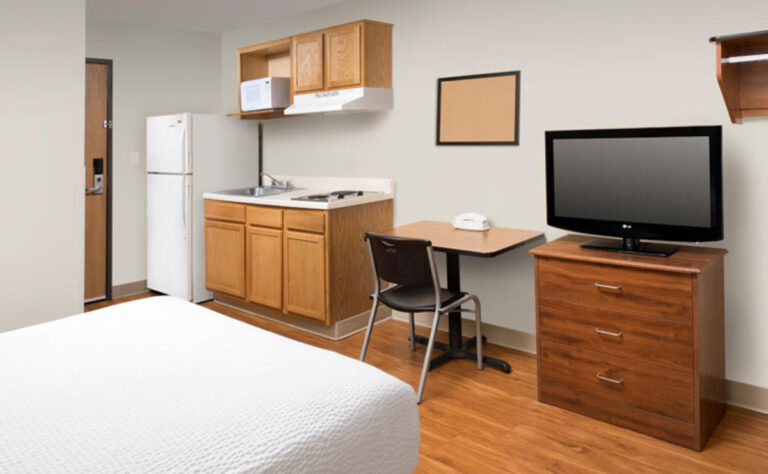
Hotels with extended stay options cater specifically to business travelers needing more than a single night’s stay. These rooms typically include more space than standard hotel rooms and often offer amenities like kitchenettes, or at least a small refrigerator and microwave. The familiarity of a hotel environment provides security and convenience, including access to amenities like swimming pools and business centers.
- Pros: Generally more affordable than serviced apartments, and maintain the familiar comfort and security of a hotel environment. They usually provide standard hotel amenities like swimming pools and business centers.
- Cons: May not offer the same level of kitchen facilities or space as serviced apartments. Some extended stay hotels can be further from business centers or transportation hubs compared to city-center hotels.
Other Alternatives
Other lodging options include co-working spaces with furnished accommodations, or Airbnb rentals. Co-working spaces provide a communal atmosphere and networking opportunities, ideal for individuals working remotely or needing collaborative environments. Airbnb rentals offer a wide variety of options, ranging from cozy studios to spacious apartments, and can sometimes be more budget-friendly than hotels or serviced apartments.
- Pros: Co-working spaces can foster collaboration and networking. Airbnb rentals can be more affordable than other options and offer unique or more personalized spaces.
- Cons: Co-working spaces may not be suitable for all work styles or require specific membership fees. Airbnb rentals may lack the 24/7 support and amenities of hotels or serviced apartments.
Comparison Table
| Accommodation Type | Key Features | Pricing (Example, per night) |
|---|---|---|
| Serviced Apartments | Fully equipped kitchens, laundry facilities, more space | $150-$300+ |
| Hotels with Extended Stay | Kitchenettes, more space than standard rooms, hotel amenities | $100-$250 |
| Co-working Spaces with Accommodations | Furnished accommodations, communal spaces, networking opportunities | $75-$200+ (often includes co-working fees) |
| Airbnb Rentals | Varied options, potential for budget-friendly stays | $50-$150+ |
Business Travel Needs and Preferences
Extended business stays present unique demands for travelers, extending beyond the typical overnight trip. Understanding these specific needs is crucial for both companies planning these trips and accommodation providers aiming to cater effectively to their needs. This section explores the key aspects of extended stay business travel, from workspace access to preferred amenities.
Common Business Travel Needs and Expectations
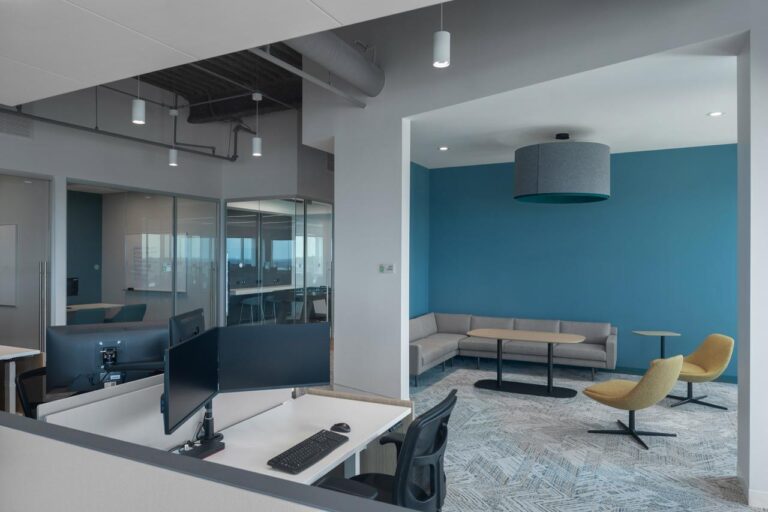
Extended stay business travelers often require more than just a bed and a shower. They frequently need dedicated workspaces, reliable internet connectivity, and convenient access to meeting rooms and other business facilities. These needs vary significantly depending on the industry and the individual traveler’s role. For example, a software engineer might prioritize quiet, dedicated workspaces and high-speed internet, while a sales executive might need more flexible meeting room options. Project managers, on the other hand, often need access to collaborative workspaces and conferencing tools.
Industry and Profession Variations
Different industries and professions have distinct needs regarding workspaces and facilities. Financial analysts, for example, may require secure access to sensitive data and specialized software, whereas marketing professionals might prioritize access to high-quality audio-visual equipment for presentations and video conferences. Healthcare professionals on extended assignments may need access to specific medical resources or equipment, while legal professionals require secure environments for confidential communications and documents.
Importance of Reliable Internet Access and Communication Tools
Reliable internet access is paramount for extended stay business travelers. High-speed, stable internet connectivity allows for seamless communication, remote collaboration, and uninterrupted work. Essential communication tools, such as video conferencing platforms, instant messaging applications, and secure file-sharing services, are vital for maintaining productivity and project momentum. The lack of reliable internet can severely hinder productivity and cause significant delays in projects.
Amenities, Services, and Overall Experience Preferences
Beyond basic necessities, extended stay business travelers often value certain amenities and services. Quiet workspaces, comfortable seating areas, convenient access to printing services, and well-equipped kitchens are often highly desired. Furthermore, the overall experience and comfort level of the accommodation greatly influence the traveler’s perception of the stay. Factors like cleanliness, security, and responsiveness of staff are often crucial in creating a positive and productive experience.
Top 5 Preferences for Extended Stay Business Travelers
| Preference | Description |
|---|---|
| 1. Reliable High-Speed Internet | Uninterrupted, high-speed internet access is critical for remote work and communication. |
| 2. Dedicated Workspace | A designated area for focused work, free from distractions, is highly valued. |
| 3. Meeting Room Access | Convenient access to meeting rooms for collaborations and presentations. |
| 4. Comfortable and Clean Accommodation | A clean and comfortable living space contributes to a positive experience. |
| 5. Convenient Amenities (e.g., Kitchenette) | Amenities like a kitchenette allow for meal preparation and cost savings. |
Travel Planning and Management

Source: businesstravelexecutive.com
Extended stay business trips demand meticulous planning beyond the typical short trip. Effective management of accommodations, transportation, and expenses is crucial for a productive and cost-effective experience. This involves considering the unique needs of extended stays, from maximizing work efficiency to optimizing personal comfort.
Careful planning can significantly impact the overall experience, allowing for a more streamlined and stress-free trip. Proactive measures like pre-trip arrangements for transportation and accommodation can reduce on-site complications, thereby maximizing productivity during the stay.
Booking Accommodations
Booking accommodations for extended stays requires a different approach than for short trips. The focus shifts from simply finding a place to stay to considering amenities, location, and value for the duration of the stay. Factors such as proximity to work, availability of amenities (e.g., kitchens, laundry facilities), and long-term pricing strategies are vital considerations. Negotiating rates for longer stays can often yield substantial savings compared to booking multiple nights individually.
Arranging Transportation
Transportation planning for extended stays necessitates more than just a one-time booking. This includes investigating options for both short-term and long-term transport needs. Consideration of transportation links to the workplace, access to public transportation, or potentially renting a vehicle for the duration of the stay are important elements to analyze. This ensures seamless travel to and from work locations and allows for exploration of nearby areas.
Managing Expenses
Effective expense management is paramount for extended business trips. Careful tracking of all expenses, from accommodation to meals to transportation, is essential for accurate reimbursement and budget control. Utilizing expense reporting software or dedicated travel management tools can streamline the process, ensuring that all expenses are appropriately documented and categorized. Developing a detailed pre-trip budget is crucial for staying within financial constraints.
Step-by-Step Procedure for Planning an Extended Stay Business Trip
- Define Trip Objectives and Duration: Clearly Artikel the business goals and the duration of the stay. This helps determine the required accommodations and transportation.
- Identify Work Locations and Transportation Needs: Pinpoint all work locations and evaluate necessary transportation options. Assess whether public transport, rideshares, or personal vehicles are the most efficient choices.
- Research and Compare Accommodation Options: Explore various extended stay hotels, serviced apartments, or co-working spaces. Compare pricing, amenities, and proximity to work.
- Negotiate Rates for Extended Stays: Contact accommodation providers to inquire about potential discounts or special rates for extended stays.
- Book Accommodation and Transportation: Confirm bookings with the chosen accommodation and transportation providers, ensuring all details are clear.
- Plan for Expenses: Establish a detailed budget, considering all anticipated costs, including accommodation, meals, transportation, and incidentals. Set up an expense tracking system.
- Prepare Necessary Documents: Gather all necessary travel documents, including visas, passports, and company-issued authorization.
- Pre-Trip Communication and Preparation: Inform relevant parties (company, colleagues, family) about the trip schedule and arrangements.
- Final Review and Adjustments: Review all arrangements and make any necessary adjustments before departure.
Role of Travel Management Companies
Travel management companies (TMCs) play a vital role in facilitating extended stay business travel. They offer comprehensive solutions, including accommodation booking, expense management, and transportation arrangements. TMCs can often negotiate better rates for extended stays, streamlining the entire travel process. They can provide customized solutions to meet the unique needs of extended business trips, and their expertise in negotiation can significantly reduce overall costs.
Online Booking Platforms for Extended Stay Accommodations
| Platform | Description |
|---|---|
| Airbnb | Offers a wide range of extended stay options, including apartments and houses. Often provides amenities like kitchens and laundry facilities, which are advantageous for longer stays. |
| VRBO (Vacation Rentals by Owner) | Similar to Airbnb, providing a large selection of vacation rentals. Offers various sizes and amenities for diverse needs. |
| Extended Stay America | Specializes in extended stay hotels, catering to business travelers needing long-term accommodation. |
| HomeAway | Provides a vast database of vacation rentals worldwide. Features options for extended stays in various locations. |
| Booking.com | A general accommodation booking platform, but often includes extended stay options alongside hotels and other types of accommodation. |
Impact on Business Operations
Extended stay business travel, while offering potential benefits, presents unique challenges for businesses. Understanding its impact on productivity, morale, and costs is crucial for effective planning and management. Companies must carefully consider these factors to optimize the employee experience and maintain operational efficiency.
Impact on Productivity
Extended stays can sometimes lead to decreased productivity, especially if not managed strategically. Employees may experience burnout or reduced focus due to prolonged periods away from their usual work environment and routine. Maintaining consistent communication channels and providing the necessary tools and resources to support remote work is essential. The potential for disruptions in workflow and team collaboration should also be anticipated and mitigated.
Impact on Employee Morale
Prolonged travel can significantly impact employee morale. Extended stays can lead to feelings of isolation and disconnection from colleagues and personal life. Businesses must proactively address these potential concerns. Offering opportunities for social interaction, fostering a sense of community, and recognizing the contributions of employees traveling extensively are crucial for maintaining morale and engagement. Consider implementing virtual team-building activities and maintaining regular communication with employees to keep them connected.
Impact on Overall Costs
Extended stay business travel often incurs higher costs than traditional business travel. The expenses associated with longer stays, including accommodation, meals, and transportation, can accumulate quickly. Businesses must implement strategies to mitigate these costs. Careful planning, including negotiated rates for accommodations and strategic travel routes, can significantly reduce expenses.
Impact on Team Dynamics and Collaboration
Extended stays can impact team dynamics, potentially hindering collaboration and communication. Regular virtual meetings, shared workspaces, and clear communication protocols are crucial for maintaining team cohesion and productivity. Utilizing collaborative tools and project management software can help facilitate communication and knowledge sharing among team members regardless of their location. Effective communication and planning are essential for maintaining team synergy during extended stays.
Comparison of Costs
The cost of extended stay business travel typically surpasses that of traditional business travel. The extended duration of stay and associated expenses, including accommodation and meals, are primary factors. However, long-term cost savings are possible if the extended stay approach leads to more efficient project completion, reduced travel frequency, and increased productivity.
Sustainability and Environmental Impact
Extended stay business travel often has a larger environmental footprint than traditional travel. The increased use of transportation, accommodation, and associated services can contribute to higher emissions. Companies should consider sustainable practices, such as using eco-friendly accommodations and promoting alternative transportation options. Promoting teleconferencing, virtual meetings, and other methods to minimize travel can reduce the carbon footprint of business operations.
Cost-Saving Strategies
| Strategy | Description | Potential Savings |
|---|---|---|
| Negotiated Accommodation Rates | Securing discounted rates with hotels or extended-stay facilities through bulk bookings or long-term contracts. | Significant savings on accommodation costs. |
| Meal Pre-Planning | Creating meal plans and budgeting for meals to avoid expensive restaurant choices. Consider packing some meals. | Potential savings on food expenses. |
| Transportation Efficiency | Strategically planning transportation routes to optimize travel time and minimize unnecessary mileage. Consider utilizing public transport or ride-sharing services. | Savings on transportation costs and time. |
| Remote Work Integration | Prioritizing remote work options whenever possible to reduce travel frequency and associated expenses. | Reduced travel expenses and potentially increased productivity. |
| Virtual Meeting Strategies | Leveraging technology to host virtual meetings, presentations, and workshops. | Savings on travel and related expenses. |
Emerging Trends and Future Outlook

Source: trashtalkhc.com
The landscape of extended stay business travel is undergoing a significant transformation, driven by evolving work styles, technological advancements, and shifting company priorities. This evolution demands a proactive understanding of emerging trends to effectively plan and manage these trips.
Remote Work and Flexible Arrangements, Extended stay business travel
Remote work and flexible work arrangements are no longer novel concepts; they are becoming the standard. Companies are recognizing the value of empowering employees to work from anywhere, leading to a rise in extended stay business trips as employees work remotely from locations closer to project sites or client offices. This flexibility often necessitates extended stays in various locations, potentially impacting the traditional models of business travel.
Impact of Technology
Technology is revolutionizing the extended stay business travel experience. Advanced communication tools, such as video conferencing and instant messaging, facilitate seamless collaboration and communication regardless of physical location. This allows employees to stay connected to their teams and projects while working remotely, thereby reducing the need for extensive travel in some cases. Moreover, digital tools are streamlining travel planning and expense management, offering greater efficiency and cost savings.
Company Adaptations
Companies are proactively adapting their policies and procedures to accommodate extended stay business travel. This involves offering comprehensive reimbursement policies for accommodation, allowing for more flexible work schedules, and recognizing the potential for increased productivity through remote work. Examples include providing stipends for extended stays, offering various accommodation options to cater to employee preferences, and incorporating remote work into the overall business strategy.
Future Demand
The future demand for extended stay business travel is expected to increase. As companies embrace remote work and flexible arrangements, and as digital nomads and freelancers become more prevalent, the need for convenient and affordable extended stay options will likely grow. This growth will likely manifest in a greater demand for a range of accommodations, from co-working spaces to well-appointed apartments.
Projected Growth (Next 5 Years)
| Year | Projected Growth (%) |
|---|---|
| 2024 | 10 |
| 2025 | 12 |
| 2026 | 15 |
| 2027 | 18 |
| 2028 | 20 |
The table illustrates a projected upward trend in extended stay business travel demand over the next five years. This projected growth is influenced by the growing adoption of remote work policies and the increasing flexibility offered by companies to accommodate employees’ needs. For example, tech companies often allow their employees to work remotely from anywhere in the world, leading to an increase in extended stays in different locations.
Final Wrap-Up
In conclusion, extended stay business travel presents a dynamic landscape for both individuals and organizations. The need for flexible workspaces, reliable technology, and supportive accommodations is paramount for successful extended business stays. By understanding the nuances of extended stay travel, companies and individuals can optimize their experiences, improve productivity, and achieve desired outcomes. The evolving trends in remote work and flexible arrangements are set to further shape the future of extended stay business travel, emphasizing its growing importance in the modern business world.