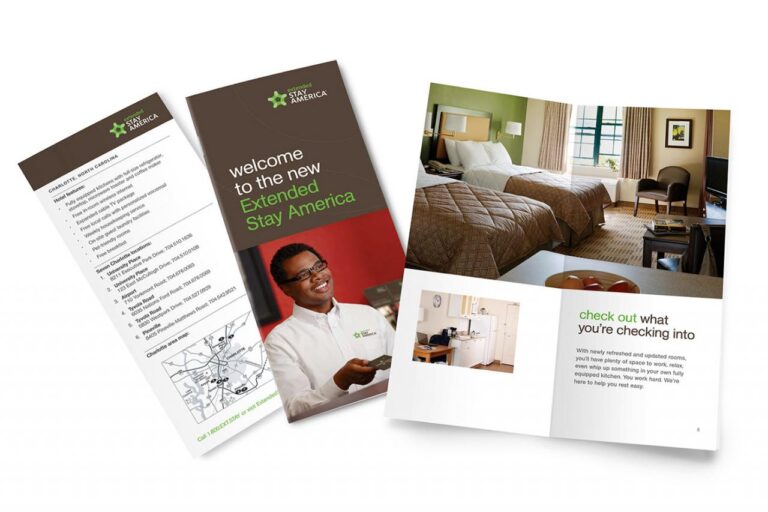
Extended Stay Corporate Account A Comprehensive Guide
Extended stay corporate accounts offer a practical and cost-effective solution for companies needing longer-term lodging for their employees. This guide dives deep into the intricacies of these accounts, from defining the concept to exploring the associated costs and employee experiences. Understanding the nuances of extended stay corporate accounts empowers companies to optimize employee well-being and streamline administrative tasks.
The guide thoroughly examines the setup, management, and financial implications of extended stay corporate accounts. It details the process of booking, confirming, and managing these accounts, highlighting the role of company travel policies and relevant technologies. The document also addresses the employee experience, encompassing factors impacting productivity and satisfaction during extended stays.
Defining Extended Stay Corporate Accounts
Extended stay corporate accounts represent a specialized approach to corporate lodging, catering to the needs of employees requiring extended periods of accommodation. These accounts differ significantly from traditional corporate lodging arrangements, offering a unique blend of flexibility and cost-effectiveness for both companies and employees.
This specialized approach to corporate lodging provides accommodations suitable for extended stays, offering benefits such as furnished apartments or suites designed for longer periods of occupation. This contrasts with the usual short-term hotel stays common in traditional corporate travel arrangements.
Extended Stay Corporate Account Definition
Extended stay corporate accounts are specifically designed for employees requiring accommodations for durations exceeding a few days, often spanning weeks or months. This accommodation model is geared toward project-based work, relocation, or other circumstances requiring long-term stays. These accounts frequently involve pre-negotiated rates and agreements with lodging providers, enabling companies to secure better overall value compared to booking on a case-by-case basis.
Comparison with Traditional Corporate Lodging
Traditional corporate lodging arrangements typically focus on short-term stays, often for business trips or conferences. The primary difference lies in the duration of stay. Extended stay accounts provide a more permanent living solution, facilitating long-term needs. Furthermore, extended stay accounts often offer more comprehensive amenities, such as kitchens and laundry facilities, reflecting the longer duration of employee presence. This contrasts with the typically limited amenities found in traditional hotels.
Key Benefits for Employees
Extended stay corporate accommodations often provide a more comfortable and convenient living environment for employees. Furnished apartments or suites often include kitchenettes, allowing employees to prepare meals and save on dining expenses. The availability of laundry facilities is another key benefit, simplifying daily routines and reducing the need for frequent trips to laundromats. The extended duration of stay can also lead to reduced travel time and expenses, improving the overall employee experience.
Key Benefits for Companies
Extended stay corporate accounts can offer substantial cost savings for companies. By pre-negotiating rates and securing accommodations for extended periods, companies can achieve significant cost reductions compared to booking short-term stays on a per-trip basis. This cost-effectiveness, coupled with improved employee satisfaction, can lead to a positive impact on employee morale and productivity. Furthermore, extended stay accommodations often offer flexible contracts, enabling companies to adapt to changing project timelines or employee needs.
Typical Duration of Stays
The typical duration of stays associated with extended stay corporate accounts varies widely, depending on the specific project or employee need. These accommodations are typically booked for periods ranging from several weeks to several months. Examples include project-based work, relocation periods, or temporary assignments.
Extended Stay vs. Short-Term Corporate Accommodations
| Accommodation type | Duration | Cost | Amenities |
|---|---|---|---|
| Short-term Hotel | 1-7 days | Lower to moderate, often per night | Basic amenities (bathroom, bed, possibly small refrigerator) |
| Extended Stay Hotel/Apartment | 1 month or more | Moderate to high, often per month | Furnished apartments/suites with kitchens, laundry facilities, and other conveniences |
Account Management and Administration
Setting up and managing extended stay corporate accounts requires a structured approach to ensure seamless booking and efficient administration. This process streamlines the travel experience for employees while minimizing administrative burden for the company. A well-defined procedure and readily available resources contribute to a positive and productive travel experience.
The key to effective account management lies in clear communication, readily available documentation, and consistent adherence to company travel policies. Implementing a dedicated system for managing these accounts facilitates tracking, reporting, and cost control. Robust account management software can significantly enhance the entire process, from initial setup to final reconciliation.
Account Setup Process
Establishing a corporate account involves collecting necessary information and documentation. This ensures the account aligns with the company’s travel policy and facilitates smooth transactions. Thorough documentation upfront minimizes potential issues and ensures compliance.
- Required Documentation: A comprehensive list of required documents, including company identification, authorization forms, and relevant financial details, is essential. These documents ensure the account accurately reflects the company’s profile and legal standing.
- Information Gathering: Collecting essential information such as contact details, preferred payment methods, and travel preferences streamlines the booking process and enhances the travel experience for employees.
- Policy Alignment: Ensuring the account adheres to the company’s travel policy is crucial. This includes adherence to budget guidelines, approved vendors, and preferred lodging types.
Travel Policy Integration
A well-defined travel policy is paramount for managing extended stay corporate accounts. It provides clear guidelines and expectations for employees and administrators, ensuring compliance and cost-effectiveness. This policy serves as a roadmap for both parties, minimizing misunderstandings and promoting consistency.
- Policy Review: Regular review of the company’s travel policy ensures alignment with current business needs and industry best practices. This guarantees the policy remains relevant and effective.
- Clear Communication: Effective communication of the policy to employees, managers, and travel administrators promotes understanding and adherence to established procedures.
- Compliance Monitoring: Regular monitoring of bookings against the travel policy helps identify potential deviations and ensure compliance with established guidelines. This proactive approach minimizes potential issues and maintains the integrity of the corporate travel program.
Account Management Software
Utilizing appropriate software or platforms can streamline the entire account management process. These tools often provide robust features for booking, tracking, and reporting on extended stay corporate accounts. Different platforms offer varying functionalities, and the best choice depends on specific company needs and budget.
- Examples: Several platforms offer solutions for managing corporate travel, including Concur, Tripit, and others. These platforms provide features for expense reporting, booking, and policy adherence, enabling effective administration of extended stay accounts.
- Customization: These platforms often allow customization to fit specific company needs, including integration with existing accounting systems.
- Benefits: Using specialized platforms offers significant advantages, such as automated reporting, streamlined booking processes, and enhanced cost control. This often leads to increased efficiency and reduced administrative burden.
Booking and Confirmation Process
A structured process for booking and confirming extended stay corporate accounts is crucial. This table Artikels the key steps, responsibilities, and timelines involved.
| Step | Description | Responsibility | Timeline |
|---|---|---|---|
| 1 | Employee initiates booking request | Employee | As needed |
| 2 | Travel administrator reviews request | Travel Administrator | Within 24 hours |
| 3 | Booking confirmation and approval | Travel Administrator/Corporate Travel Department | Within 24-48 hours |
| 4 | Account reconciliation and payment processing | Finance Department | Within 24-48 hours after arrival |
Cost and Budgeting for Extended Stays: Extended Stay Corporate Account
Understanding the financial implications of extended stay corporate accounts is crucial for both the company and the lodging provider. Accurate budgeting and cost management are key to ensuring profitability and a positive experience for employees. This section details the various financial aspects involved, from room rates to potential savings.
Effective cost management for extended stays involves careful consideration of all associated expenses. This includes room rates, taxes, and additional fees, all of which can significantly impact the overall budget. Understanding the different pricing models employed by extended stay facilities is vital for accurate cost estimations and informed decision-making.
Calculating Total Costs
Accurately calculating the total cost of an extended stay is essential for effective budgeting. This involves considering room rates, taxes, and any additional fees. For example, a room rate of $150 per night, combined with a 10% tax rate and a $25 per night cleaning fee, results in a total cost of $185 per night.
Total Cost = Room Rate + (Room Rate * Tax Rate) + Additional Fees
Pricing Models for Extended Stays
Various pricing models are employed by extended stay facilities. These models can include per-night rates, weekly rates, or monthly rates, often offering discounts for longer stays. Negotiated rates are frequently available for corporate accounts, potentially leading to significant cost savings.
Typical Expenses in Extended Stay Corporate Accounts
The following table Artikels typical expenses associated with extended stay corporate accounts, providing a breakdown of potential costs and avenues for potential savings.
| Expense Type | Description | Average Cost | Potential Savings |
|---|---|---|---|
| Room Rate | Cost of the accommodation per night | $100 – $250+ | Negotiate bulk discounts, consider alternative lodging options if applicable |
| Taxes | Local, state, and/or federal taxes applied to the room rate | 5-15% of room rate | Research tax rates in different locations; consider locations with lower tax rates |
| Utilities | Electricity, water, and internet usage | $10 – $50 per week | Consider energy-efficient options, negotiate for included utilities in the rate |
| Cleaning Fees | Frequency and cost of cleaning services | $15 – $50 per stay | Negotiate for bundled services or less frequent cleaning if the situation allows |
| Parking | Cost of parking if available | $5 – $20 per day | Identify locations with free or discounted parking options, explore transportation alternatives |
| Food and Beverage | Costs associated with meals and drinks | Variable, depends on individual spending habits | Encourage employees to utilize company meal allowances, prepare meals at the lodging location, or consider shared kitchens |
| Other Fees | Any other charges, such as Wi-Fi, laundry, or pet fees | Variable | Negotiate inclusion of services in the rate; identify and consider alternative options |
Employee Experience and Satisfaction
A crucial aspect of managing extended corporate stays is understanding and enhancing the employee experience. Positive experiences contribute to higher employee satisfaction, which, in turn, impacts productivity and morale, ultimately benefiting the company. This section details the employee experience within extended stay corporate accounts, highlighting factors that influence it, and offering recommendations for improvement.
Employee experiences during extended stays are multifaceted. They encompass not only the physical environment but also the social and emotional aspects of the work experience. Addressing these factors proactively can lead to a more productive and engaged workforce.
Factors Contributing to a Positive Employee Experience
A positive experience hinges on several key elements. These include a comfortable and well-equipped work environment, access to essential amenities, and a supportive work culture that acknowledges the unique demands of extended stays. This also includes social opportunities and appropriate communication channels. The quality of living arrangements and proximity to amenities and recreational activities directly impact employee satisfaction and overall well-being.
Impact on Employee Productivity and Morale
Extended stays can significantly impact employee productivity and morale. The prolonged period away from home, coupled with the often demanding nature of work, can lead to stress and fatigue. Conversely, well-managed extended stays can foster a sense of camaraderie and shared experience among employees, boosting morale and productivity. For instance, companies offering flexible work arrangements and employee assistance programs can contribute to a more positive experience. This can include support systems, stress management techniques, and social activities to help employees adjust to the extended stay. Maintaining open communication channels, ensuring adequate support, and offering a sense of community can significantly mitigate negative impacts and maximize productivity.
Recommendations for Enhancing Employee Satisfaction
A proactive approach is essential to maximize employee satisfaction. Providing employees with adequate support systems, communication channels, and social activities is paramount. This includes fostering a sense of community among employees, recognizing their efforts, and providing opportunities for relaxation and recreation.
- Comprehensive Support Systems: Implementing comprehensive support systems for employees during extended stays is critical. This includes access to healthcare, financial assistance, and mental health resources. These services can reduce stress and anxieties associated with extended absences from home. Furthermore, clear communication channels regarding access to these services and resources must be established and readily available.
- Flexible Work Arrangements: Flexible work arrangements, where possible, can be beneficial. These can include adjusting work hours or offering opportunities for remote work, thereby minimizing disruptions to personal lives. The potential to maintain a balance between work and personal life during an extended stay will likely lead to increased employee satisfaction.
- Social and Recreational Opportunities: Creating opportunities for social interaction and recreation is crucial. This might include company-sponsored events, outings, or access to local amenities. Such initiatives contribute to a sense of community and camaraderie, fostering a more positive and engaging experience.
- Regular Communication and Feedback: Regular communication with employees regarding the progress of their projects and the overall company goals is essential. Providing constructive feedback and addressing any concerns promptly can help maintain a sense of purpose and direction.
- Recognition and Appreciation: Acknowledging and appreciating the contributions of employees during extended stays is crucial. This could include expressing gratitude for their dedication or offering small tokens of appreciation. A simple gesture of recognition can positively impact employee morale and satisfaction.
Accommodation Features and Amenities
Extended stay corporate accommodations are increasingly important for supporting employee well-being and productivity during extended work periods. These accommodations go beyond basic hotel rooms, offering features designed to mimic a home-like environment, encouraging employees to feel comfortable and productive while away from their usual surroundings.
Beyond just a place to sleep, these accommodations provide an essential environment that can significantly impact employee experience and satisfaction. The specific amenities offered greatly influence the employee’s ability to maintain a positive and productive work-life balance, ultimately impacting the overall success of the business. Consideration of these amenities is crucial for designing a corporate travel program that supports employees while reducing costs associated with temporary accommodations.
Specific Features and Amenities
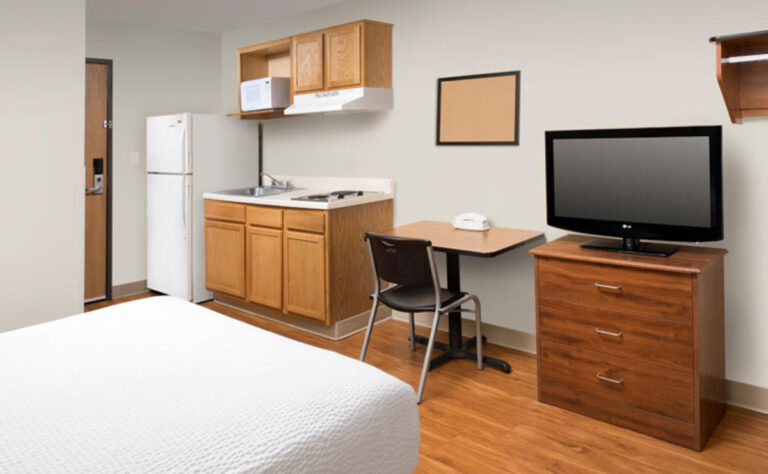
Extended stay accommodations typically offer a wider range of amenities than standard hotel rooms. This allows employees to feel more at home and maintain a higher level of comfort and productivity during their stay. Essential features include fully equipped kitchens, allowing employees to prepare their own meals, reducing dining costs and promoting flexibility in mealtimes. Laundry facilities are also a critical component, ensuring employees can maintain a clean and professional appearance without the hassle of finding laundromats.
Comparison with Hotels
Extended stay accommodations differ significantly from hotels in terms of amenities and overall design. Hotels prioritize short-term stays and often have limited kitchen facilities, with more emphasis on communal spaces and quick service restaurants. Extended stay properties, on the other hand, are designed for longer stays and provide amenities like fully equipped kitchens, more spacious living areas, and laundry facilities. This difference reflects the needs of employees staying for extended periods.
Common Amenities in Extended Stay Corporate Lodgings
The following table Artikels common amenities offered in extended stay corporate lodgings, highlighting their importance and availability:
| Amenity | Description | Importance | Availability |
|---|---|---|---|
| Fully Equipped Kitchen | Includes a stove, refrigerator, microwave, and often dishware. | Allows employees to prepare their own meals, saving money and time, promoting flexibility in mealtimes. | High |
| Laundry Facilities | On-site laundry room with washing machines and dryers. | Ensures employees can maintain a clean and professional appearance without the hassle of finding laundromats. | High |
| Living Area | Separate living room or den space with seating and often a dining area. | Provides a dedicated space for relaxation, work, or entertaining guests. | High |
| High-Speed Internet Access | Reliable and high-speed internet connection. | Crucial for maintaining productivity and communication with the office. | High |
| Spacious Bedroom(s) | Adequate sleeping space, often with separate bedrooms for couples or families. | Provides a comfortable and private sleeping area. | High |
| Dedicated Workspace | Desk and chair in the bedroom or living area. | Allows employees to maintain a dedicated workspace for professional needs. | High |
Choosing the Right Extended Stay Provider
Source: chsoilfield.com
Selecting the ideal extended stay provider for corporate accounts is crucial for optimizing employee well-being and minimizing operational costs. Careful consideration of various factors ensures a smooth and productive work experience for extended-term assignments. A well-chosen provider can contribute to increased employee satisfaction and a positive return on investment.
Evaluating Extended Stay Providers
A thorough evaluation process is essential when selecting an extended stay provider. This involves a comprehensive assessment of diverse factors, ranging from location and amenities to pricing structures and overall service quality. Evaluating multiple providers ensures that the best fit for the specific needs of the corporate account is identified.
Factors to Consider When Evaluating Providers
Understanding the key factors influencing the choice of an extended stay provider is vital for making informed decisions. These factors encompass a spectrum of considerations, from geographic accessibility to the quality of on-site amenities.
- Location and Accessibility: Proximity to business hubs, airports, and public transportation significantly impacts employee convenience and productivity. Strategic locations streamline commutes and reduce travel time, ensuring optimal work efficiency.
- Amenities and Services: The provision of essential amenities, such as well-equipped kitchens, laundry facilities, and high-speed internet, contributes to employee comfort and productivity. Assessing the quality and availability of these amenities is critical.
- Pricing and Value Proposition: A comprehensive evaluation of the pricing structure, including room rates, service charges, and any additional fees, is necessary. The value proposition should align with the overall budget and needs of the corporate account.
- Reputation and Reviews: Scrutinizing online reviews and seeking recommendations from previous clients provides valuable insights into the provider’s reputation and service quality. Customer testimonials offer valuable perspectives on the provider’s ability to meet expectations.
- Contractual Agreements and Flexibility: Reviewing the terms and conditions of the contract is crucial to ensure clarity and transparency. Understanding contract stipulations regarding booking periods, cancellation policies, and any service limitations is critical.
Reputable Extended Stay Providers
Several reputable extended stay providers cater to corporate needs. These providers are known for their commitment to quality, extensive amenities, and dedicated account management.
- Extended Stay America: A well-established brand known for its extensive network of locations and diverse accommodation options.
- Staybridge Suites: A trusted name with a strong presence in numerous business-centric areas. Known for their emphasis on providing well-equipped accommodations and personalized service.
- Home2 Suites by Hilton: Another major player in the extended stay market, consistently recognized for its comfortable accommodations and convenient locations.
Comparative Analysis of Providers
The table below illustrates a comparative analysis of key features among different extended stay providers.
| Provider | Location | Amenities | Pricing |
|---|---|---|---|
| Extended Stay America | Various US locations | Fully equipped kitchens, laundry facilities, high-speed internet | Competitive pricing, flexible contracts |
| Staybridge Suites | Numerous US and international locations | Spacious suites, business centers, fitness centers | Value-based pricing, loyalty programs |
| Home2 Suites by Hilton | Widely distributed across the US | Comfortable accommodations, well-equipped kitchens, laundry facilities | Competitive pricing, diverse room types |
| (Other provider) | (Specific location) | (Amenities list) | (Pricing structure) |
Technology Integration and Automation
Technology is transforming the management of extended stay corporate accounts, offering significant opportunities to streamline processes, enhance efficiency, and improve the overall experience for employees. Leveraging technology effectively is crucial for providers to meet the evolving demands of modern business travelers.
Modern extended stay accommodations are increasingly adopting technology to manage their corporate accounts. This allows for greater control over booking, payments, and communication, optimizing resources and enhancing the user experience for both the corporate clients and their employees. Automated systems reduce administrative burden, allowing staff to focus on higher-value tasks.
Booking System Integration, Extended stay corporate account
Effective management of extended stay corporate accounts requires seamless integration of booking systems. This integration allows for real-time updates on availability, reservations, and potential conflicts. A robust booking system will allow for direct access to corporate travel policies and pre-approved rates, improving the accuracy and efficiency of the booking process. Furthermore, it should facilitate automated alerts for potential overbookings or other crucial information.
Payment Platform Integration
Automated payment platforms streamline the payment process, reducing administrative overhead and improving the accuracy of transactions. These systems can handle various payment methods, including corporate credit cards, expense reports, and pre-authorized payments. Furthermore, such platforms facilitate automated reconciliation, reducing the risk of errors and discrepancies.
Automation of Administrative Tasks
Automation significantly reduces administrative overhead associated with managing corporate accounts. Automated systems can handle tasks such as invoice generation, payment processing, and reporting. This frees up staff to focus on other critical areas such as account management and client relations. For example, an automated system can generate invoices based on occupancy and automatically route them to the appropriate parties, eliminating manual processes.
Data Analytics and Reporting
Data analytics tools provide valuable insights into corporate account performance. These tools can analyze trends, identify areas for improvement, and optimize pricing strategies. For example, a system could track booking patterns for different departments within a company, enabling the accommodation to tailor their services and amenities to specific needs. Real-time reporting on key metrics such as occupancy rates, revenue, and guest satisfaction provides valuable data for informed decision-making.
Legal and Compliance Considerations
Navigating the legal landscape is crucial for successful extended stay corporate account management. Understanding and adhering to regulations, tax implications, and record-keeping best practices ensures smooth operations and avoids potential legal issues. Proper compliance safeguards the company’s reputation and minimizes financial risks.
Compliance requirements vary based on location and specific agreements. Thorough research and consultation with legal counsel are essential to ensure adherence to all applicable laws and regulations.
Legal Frameworks and Regulations
Legal frameworks for extended stay corporate accounts encompass various aspects, including labor laws, housing codes, and data privacy regulations. Understanding these frameworks helps maintain compliance and avoid potential legal issues. Federal and state laws governing housing, employment, and data protection must be considered when establishing and managing extended stay corporate accounts.
Tax Implications and Reporting Requirements
Proper tax management is vital for extended stay corporate accounts. Understanding tax implications related to employee housing expenses, reimbursements, and reporting requirements is crucial. Companies must adhere to tax laws regarding employee accommodations and expenses. Accurate documentation and reporting are critical for minimizing tax liabilities and avoiding penalties.
Employee Accommodation Reimbursement
Employee reimbursements for extended stay expenses require careful consideration of tax laws and company policies. A clear policy outlining eligible expenses, documentation requirements, and reimbursement procedures should be established. For example, if a company reimburses employees for lodging, the reimbursement must adhere to specific tax guidelines. The company must track these reimbursements carefully to ensure compliance.
Maintaining Accurate Records
Maintaining accurate records is paramount for compliance. Comprehensive records of all expenses, agreements, and communication related to extended stay accommodations are necessary. This ensures transparency, accountability, and facilitates auditing processes. Records should be organized chronologically, with clear documentation of dates, amounts, and justifications. Regular audits and reviews of these records are essential to maintain compliance.
Data Privacy and Security
Protecting employee data is critical. Extended stay corporate accounts often involve handling sensitive employee data. Compliance with data privacy regulations, such as GDPR or CCPA, is paramount. Companies should implement robust data security measures to protect employee information. This includes encrypting data, restricting access, and implementing data breach response plans.
Concluding Remarks

Source: extendedstayamerica.com
In conclusion, extended stay corporate accounts provide a valuable resource for companies and employees alike. By understanding the benefits, management strategies, and financial considerations, organizations can ensure a smooth and positive experience for their staff. The key takeaways emphasize the importance of carefully considering factors like employee satisfaction, accommodation features, and provider selection. This comprehensive guide serves as a valuable resource for navigating the complexities of extended stay corporate accommodations.