Extended Stay Hotels Corporate A Comprehensive Guide
Extended stay hotels corporate are becoming increasingly important for businesses, offering a viable alternative to traditional hotels for corporate travelers. This guide explores the nuances of attracting and retaining corporate clients, delving into crucial aspects like guest profiling, service customization, and strategic pricing.
Understanding the unique needs of corporate travelers is paramount. They often require extended stays, flexible workspaces, high-speed internet, and potentially meeting rooms. This guide will delve into these requirements, examining how extended stay hotels can adapt to meet these specific needs. It also looks at the key factors that influence corporate clients’ choice of accommodation, such as location, amenities, and pricing models.
Pricing and Value Proposition
Source: iceportal.com
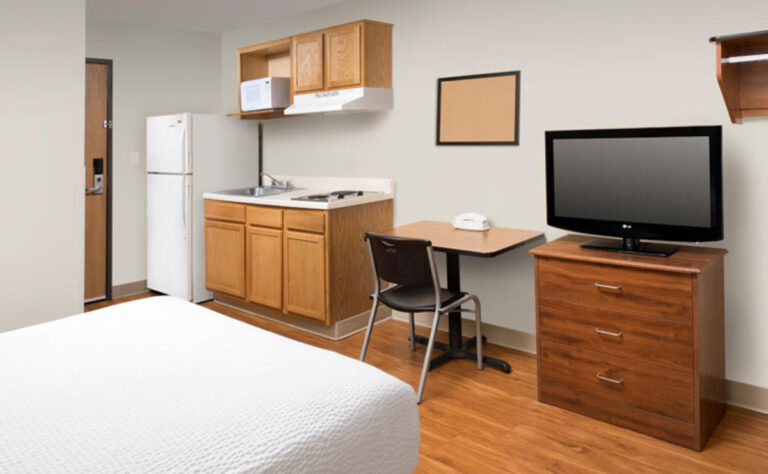
Extended-stay hotels offer a compelling value proposition for corporate clients, particularly for extended projects, temporary relocation, or large-scale events. The ability to provide comfortable, long-term accommodations at competitive rates, often with added amenities, sets them apart from traditional hotels. This caters to the specific needs of business travelers and teams, improving their work-life balance and efficiency during their stay.
The key to maximizing this value is creating tailored packages that directly address the unique requirements of corporate clients. These packages should offer a compelling combination of accommodation, amenities, and potential discounts to justify the extended stay. This ensures that the value proposition transcends the immediate cost of the room and includes added benefits, like convenience and comfort, which translate into a positive experience for the business traveler.
Value Proposition for Corporate Clients
Extended-stay hotels offer a superior value proposition for corporate clients compared to traditional hotels. They provide more space and amenities for a longer duration, making them ideal for projects lasting several weeks or months. The focus on long-term stays allows for a more comfortable and productive work environment. This contrasts with traditional hotel stays, where the emphasis is on short-term stays and potentially less space or amenities. This also applies to relocation situations, where extended-stay hotels are significantly more practical than a series of short-term hotel stays.
Creating Value-Driven Packages
Crafting compelling packages involves understanding the needs of corporate clients. Packages should consider factors such as room size, amenities, and the possibility of discounted rates for multiple rooms or extended stays. For instance, a package could include complimentary breakfast, access to a business center, or a discount on catering services. These tailored packages demonstrate a deep understanding of the corporate client’s needs and demonstrate the hotel’s commitment to facilitating a productive and comfortable work environment.
Pricing Strategies for Corporate Clients
Effective pricing strategies for corporate clients need to balance profitability with attracting and retaining business. Consider tiered pricing structures that offer discounts based on the length of stay or the number of rooms booked. Negotiating group rates can provide significant savings for larger corporate bookings. For example, a hotel might offer a 15% discount for stays of 30 days or more, incentivizing corporate clients to choose the extended-stay option. Additionally, offering flexible payment terms or options for early booking discounts can further enhance the appeal of extended-stay packages.
Discounts and Promotions for Corporate Travelers
Offering targeted discounts and promotions can significantly attract corporate clients. Consider creating exclusive corporate packages with special rates and amenities. Early booking discounts, loyalty programs, and partnerships with relevant corporations can all be effective strategies. The goal is to create an attractive and memorable experience that encourages repeat business. These discounts must be clearly communicated and easily accessible to the target corporate clientele.
Pricing Model Comparison
| Feature | Corporate Guest | Other Guests |
|---|---|---|
| Room Size | Potentially larger, offering more space for work or relaxation | Standard or slightly larger sizes based on type of room |
| Amenities | Potentially include business center access, extended kitchen facilities, and other amenities to facilitate work and long-term stays. | Amenities tailored to general needs like basic amenities or pool access |
| Pricing Structure | Tiered pricing, discounts based on length of stay, and potentially group rates. | Standard pricing models based on demand, seasonality, and room type. |
| Promotions | Exclusive corporate packages, loyalty programs, and partnerships with corporations. | General promotions, seasonal discounts, or promotional packages. |
Booking and Management Processes
Streamlining the booking process for corporate clients is crucial for a positive guest experience and efficient management of reservations. A well-structured process ensures timely confirmations, accurate data entry, and clear communication throughout the entire booking cycle. This section details key aspects of a robust booking and management system tailored for corporate accounts.
Streamlined Booking Process for Corporate Clients, Extended stay hotels corporate
A streamlined booking process for corporate clients involves leveraging technology and dedicated personnel to expedite the reservation process. This includes utilizing a user-friendly online portal with clear instructions and secure payment options. The portal should allow for easy modification and cancellation of bookings. The use of standardized forms for gathering information also reduces manual data entry errors and ensures consistency.
Steps in the Corporate Booking Process
The following table Artikels the typical steps involved in the booking process for corporate accounts:
| Step | Description |
|---|---|
| 1. Inquiry | Corporate clients initiate their inquiry via the online portal, email, or phone. The inquiry details travel dates, room requirements, and any special requests. |
| 2. Proposal | Our team reviews the inquiry and provides a customized proposal with room options, pricing, and available packages. |
| 3. Confirmation | Once the proposal is accepted, a formal confirmation is sent outlining the details of the reservation. |
| 4. Payment | A secure online payment gateway is used to facilitate the payment process, with clear options for different payment methods. |
| 5. Booking Confirmation | A final confirmation email is sent with all details, including contact information for the dedicated account manager. |
Personalization of Corporate Booking Experience
Personalizing the booking experience for corporate travelers enhances satisfaction and fosters loyalty. This involves understanding the specific needs of each corporate client and tailoring the reservation process accordingly. For example, preferred room types, amenities, and meal preferences can be stored in the client’s profile.
Benefits of Dedicated Account Managers
Implementing a dedicated account manager for each corporate client offers several benefits. These managers act as primary points of contact, handling all inquiries and issues. This personal touch ensures a high level of responsiveness and support. They can also anticipate needs, recommend suitable packages, and provide exceptional service throughout the stay. A dedicated account manager fosters strong relationships and strengthens the client-hotel bond.
Efficient Management of Corporate Bookings
Effective management of corporate bookings necessitates a robust system for tracking and managing reservations. Centralized reservation software with real-time updates allows for quick access to booking information. Regular reporting and analysis provide insights into corporate travel patterns and allow for proactive adjustments to services and offerings. This also allows for improved resource allocation and ensures that the hotel meets the needs of its corporate clientele.
Technology Integration for Enhanced Experience
Source: brightspotcdn.com
Streamlining corporate travel and work experiences requires a sophisticated approach. Integrating technology effectively can elevate the guest experience, improve communication, and optimize service delivery, ultimately fostering a more productive and positive stay for corporate clients. This section delves into the strategic use of technology to enhance various aspects of the corporate guest journey.
Technology acts as a powerful tool to address the unique needs of corporate travelers. By proactively incorporating digital solutions, hotels can create personalized experiences, enhance communication channels, and simplify work-related tasks for their guests, fostering loyalty and repeat business.
Potential of Technology to Enhance Guest Experience
Technology offers substantial potential for enhancing the corporate guest experience. From streamlining booking processes to providing personalized services, technology can create a more efficient and enjoyable stay. This is crucial for corporate clients who prioritize productivity and efficiency during their travels.
Improving Communication and Service Delivery
Digital tools can revolutionize communication and service delivery. Real-time communication platforms, such as instant messaging and dedicated mobile apps, enable seamless interaction between hotel staff and guests, allowing for quick responses to requests and immediate assistance. This proactive approach enhances the guest experience by addressing concerns promptly and ensuring a smooth stay.
Incorporating Digital Tools to Improve Work Experience
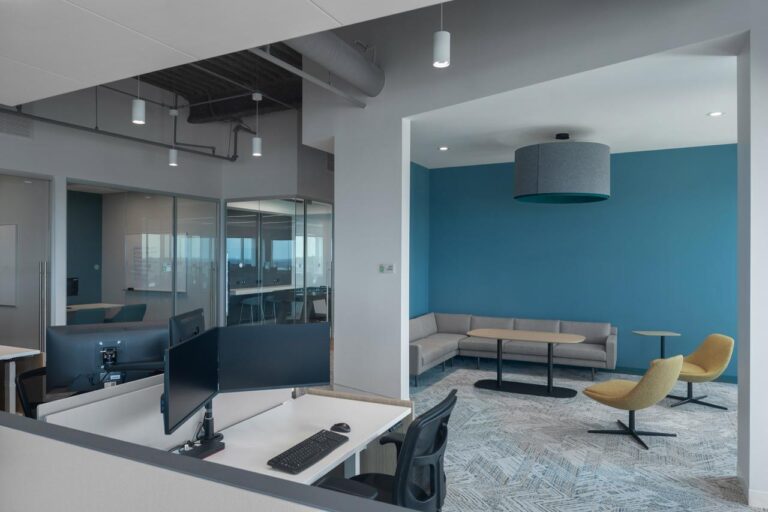
Offering dedicated workspaces equipped with high-speed internet and collaborative tools can significantly improve the work experience for corporate guests. Providing access to virtual meeting rooms and conference facilities can enhance productivity and enable seamless collaboration, even when traveling. Digital check-in and check-out procedures can also reduce wait times and increase guest satisfaction.
Utilizing Technology for a Personalized Experience
Personalized experiences are paramount in today’s market. Technology plays a key role in achieving this. Hotels can leverage data analytics to understand guest preferences and tailor services accordingly. Personalized recommendations for local attractions, restaurants, or transportation options, delivered through mobile apps or personalized email campaigns, can significantly enhance the guest experience. Collecting feedback and preferences for future stays enhances the guest’s overall experience.
Table: Technological Tools and Corporate Guest Experience Improvement
| Technological Tool | Improvement in Corporate Guest Experience |
|---|---|
| Dedicated Mobile App | Real-time communication with staff, personalized recommendations, streamlined check-in/check-out, access to hotel amenities, and local information. |
| High-Speed Internet Access in Workspaces | Enhanced productivity and collaboration for guests requiring a productive work environment. |
| Virtual Meeting Rooms/Conference Facilities | Seamless remote meetings and collaborations, enabling guests to stay connected and productive. |
| Data Analytics & Guest Profiles | Personalized recommendations for local attractions, restaurants, or transportation, tailored services based on guest preferences, and improved service delivery based on past behavior. |
| Digital Check-in/Check-out | Reduced wait times, improved efficiency, and increased guest satisfaction. |
Location and Accessibility Considerations: Extended Stay Hotels Corporate
A prime location is critical for the success of a corporate extended-stay hotel. Proximity to business hubs, transportation networks, and amenities significantly impacts guest satisfaction and return rates. Strategically chosen locations enhance convenience and efficiency for corporate travellers, ultimately contributing to a positive experience and fostering loyalty.
Selecting a location that resonates with corporate clients demands careful consideration. Proximity to major business centers, readily accessible transportation options, and surrounding amenities such as restaurants, shops, and entertainment venues are key factors. Understanding the specific needs of the target corporate clientele is essential for successful location selection. Hotels must be strategically positioned to maximize convenience and minimize travel time for employees.
Importance of Location for Corporate Clients
The ideal location for a corporate extended-stay hotel directly influences guest satisfaction and business outcomes. Proximity to key business districts, conference centers, and major transportation hubs like airports and train stations is paramount. Corporate travellers often require easy access to essential services and amenities, such as restaurants, retail stores, and entertainment options. Proximity to these amenities significantly contributes to the overall comfort and convenience of guests. Careful location analysis is crucial for maximizing guest satisfaction and return business.
Key Factors for Selecting Convenient Locations
Several factors play a vital role in selecting locations that are convenient for corporate clients. Accessibility to major transportation networks is critical, ensuring efficient travel to and from the hotel. The presence of business districts, conference centers, and industry-specific workplaces within proximity greatly influences the hotel’s attractiveness to corporate travellers. Furthermore, convenient access to restaurants, shops, and entertainment options enhances the overall guest experience.
Accessibility Features for Corporate Guests with Disabilities
Providing accessible accommodations is crucial for inclusivity and ensures a positive experience for all guests. Hotels should adhere to accessibility standards and regulations, providing accommodations that meet the needs of guests with disabilities. This includes features such as ramps, accessible restrooms, wide doorways, and assistive technologies like hearing loops. Providing these essential amenities ensures that all guests, regardless of their physical limitations, can fully utilize the hotel’s facilities.
Promoting the Hotel’s Location and Accessibility Features
Effective marketing strategies are crucial for showcasing the hotel’s location and accessibility features. High-quality images and videos highlighting the hotel’s surroundings, including transportation links and nearby amenities, are vital. Detailed descriptions of accessible features, coupled with clear and easily understandable maps, are essential for potential guests. Utilizing online travel agencies (OTAs) and social media platforms with targeted advertisements is crucial for reaching the desired audience. Specific information about accessible features should be prominently displayed on the hotel’s website and in marketing materials.
Factors to Consider When Choosing a Location
| Factor | Description | Importance to Corporate Clients |
|---|---|---|
| Proximity to Business Districts | Distance to major business centers and corporate headquarters. | High; facilitates quick access to work locations. |
| Transportation Accessibility | Proximity to airports, train stations, and public transportation. | High; ensures convenient travel to and from the hotel. |
| Availability of Amenities | Presence of restaurants, shops, entertainment options, and other conveniences. | Medium to High; enhances overall guest experience. |
| Accessibility Features | Compliance with accessibility standards for guests with disabilities. | High; promotes inclusivity and ensures a positive experience for all. |
| Local Regulations and Permits | Compliance with zoning laws and local business regulations. | High; ensures legal and operational compliance. |
End of Discussion
In conclusion, successfully catering to corporate clients in extended stay hotels requires a multifaceted approach. By understanding their specific needs, tailoring services and amenities, and implementing strategic pricing and marketing techniques, extended stay hotels can significantly enhance their appeal to this important segment of the travel market. A focus on technology integration, thoughtful location selection, and a streamlined booking process will further strengthen the corporate traveler experience, ultimately fostering loyalty and repeat business.